When Foundation Lifting Is a Better Option Than Repair
Homeowners seeking to stabilize a shifting foundation can benefit from foundation lifting services provided by local contractors, which often offer a better long-term solution than repair.
Property owners in the area often encounter foundation issues that require careful evaluation to determine the best solution. When foundation lifting is a better option than repair, it can address underlying problems more effectively, helping to stabilize the structure and prevent further damage. If you’ve noticed uneven floors, cracked walls, or sticking doors, understanding when lifting the foundation might be the right choice can make a significant difference. Local contractors experienced in foundation lifting services are equipped to assess your property’s condition and recommend the most practical approach to restore stability.
Exploring foundation lifting as an alternative to traditional repair can be a practical step for many property owners facing specific types of foundation settlement or shifting. This method can sometimes provide a more comprehensive solution, especially when the goal is to lift and level the entire structure rather than patching individual issues. For those in the local area, connecting with service providers who specialize in foundation lifting can ensure the work is tailored to your property’s unique needs, helping to protect your investment and maintain the integrity of your home or building. Keep reading to learn more about how foundation lifting might be the right choice for your situation.
- Severe foundation settlement - when the foundation has shifted significantly and repair methods may not fully restore stability, local contractors often recommend foundation lifting to realign and stabilize the structure.
- Excessive foundation sinking - in cases where the foundation continues to sink over time, foundation lifting can provide a more effective solution than repeated repairs.
- Uneven or sloping floors - if interior floors are noticeably uneven due to foundation movement, local pros may suggest lifting the foundation to level the home properly.
- Cracks in the foundation or walls - when cracks are extensive and indicate ongoing movement, foundation lifting can help correct underlying issues rather than just patching cracks.
- Structural instability concerns - in situations where safety is compromised by foundation issues, local service providers often recommend foundation lifting to restore structural integrity.
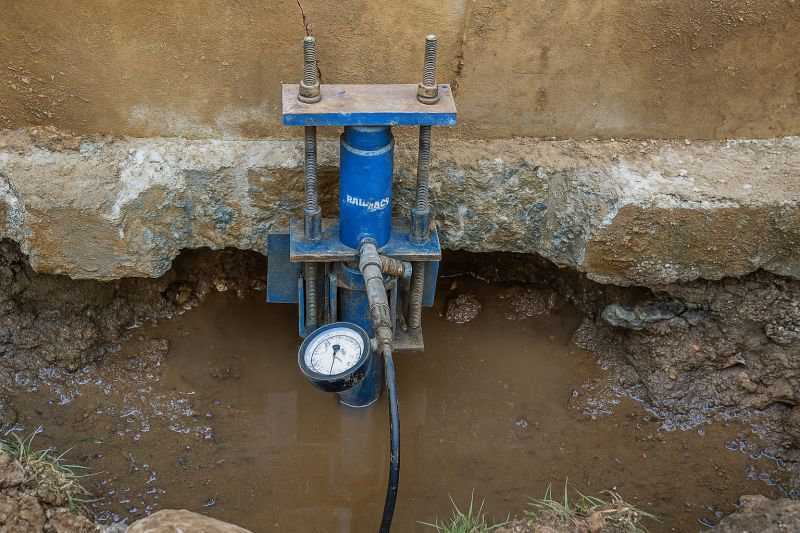


When homeowners search for information about foundation solutions, they often want to understand when foundation lifting is a better option than traditional repair methods. Typically, this inquiry arises when there are visible signs of uneven floors, cracked walls, or sticking doors and windows, which suggest the foundation has shifted or settled. Foundation lifting involves raising the foundation back to its original position, addressing the root cause of many structural issues. This approach is generally considered when the problem is primarily due to uneven settlement rather than extensive deterioration, making it a practical choice for restoring stability without the need for more invasive repairs.
Problems that prompt consideration of foundation lifting usually relate to specific types of foundation movement or damage. For example, homes built on expansive clay soils often experience shifting as moisture levels fluctuate, leading to uneven settling. Similarly, properties with poorly compacted fill or those affected by nearby excavation or water drainage issues may develop uneven foundations. When these issues are detected early, and the damage is limited to certain areas, foundation lifting can be an effective way to correct the problem. It’s especially relevant when the goal is to restore the foundation’s original elevation and prevent future shifting, rather than just patching up the damage.
The types of properties that typically come up in discussions about foundation lifting include residential homes, especially those with basements or crawl spaces, and certain types of commercial buildings. Single-family houses that show signs of foundation movement often benefit from this approach, particularly if the damage is localized. Homes with a pier-and-beam or concrete slab foundation are common candidates, as these systems are more accessible for lifting procedures. Larger or more complex structures may also be suitable, provided the foundation movement is manageable and the property’s design allows for careful lifting without compromising overall stability.
Local service providers who specialize in foundation lifting play a crucial role in helping homeowners decide when this method is appropriate. These contractors assess the extent of foundation movement, evaluate soil conditions, and determine whether lifting can effectively address the underlying issues. They can also advise on whether foundation lifting is a preferable alternative to traditional repair methods, which might involve underpinning or extensive reinforcement. For homeowners, connecting with experienced local pros ensures that the right approach is taken based on the specific property and damage pattern, leading to a more durable and stable foundation over time.
Soil Stabilization Projects - techniques used to improve ground stability can overlap with foundation lifting methods that address uneven settling issues.
Concrete Leveling and Slab Raising - these projects involve lifting and leveling concrete surfaces, utilizing similar tools and planning as foundation lifting services.
Basement Wall Repair - addressing bowing or cracking basement walls often requires lifting and stabilizing the foundation to prevent further damage.
Pier and Beam Foundation Services - repairs and adjustments in pier and beam systems involve lifting structures to correct unevenness, similar to foundation lifting procedures.
Structural Reinforcement Projects - strengthening or stabilizing existing structures can involve lifting techniques to ensure proper load distribution and safety.
Retaining Wall Stabilization - ensuring retaining walls hold back soil effectively may require lifting or underpinning work comparable to foundation services.

When evaluating foundation lifting services, it is important to consider the experience of the local contractors with similar projects. Homeowners should inquire about the types of foundation issues the service providers have addressed in the past and whether they have successfully handled situations comparable to their own. A contractor with a proven track record in foundation lifting can offer insights into effective techniques and potential outcomes, helping to ensure that the approach aligns with the specific needs of the property.
Clear and detailed written expectations are essential when comparing foundation lifting options. Reputable service providers should be able to provide comprehensive descriptions of the scope of work, the methods they plan to use, and the anticipated results. This transparency allows homeowners to understand what the project entails and helps prevent misunderstandings or surprises during the process. Well-documented expectations also serve as a basis for assessing the professionalism and thoroughness of each contractor.
Good communication and reputable references are key indicators of a dependable foundation lifting service provider. Homeowners should seek out local contractors who are responsive to questions, provide straightforward explanations, and demonstrate a willingness to address concerns. Additionally, requesting references from previous clients can offer valuable insights into the contractor’s reliability, quality of work, and ability to meet project expectations. Choosing a service provider with strong communication skills and positive references can contribute to a smoother, more predictable project experience.
Property owners often search for when foundation lifting is a better option than repair when they are planning practical projects around their homes and businesses. Local pros provide Foundation Lifting services for everyday jobs and straightforward project options.
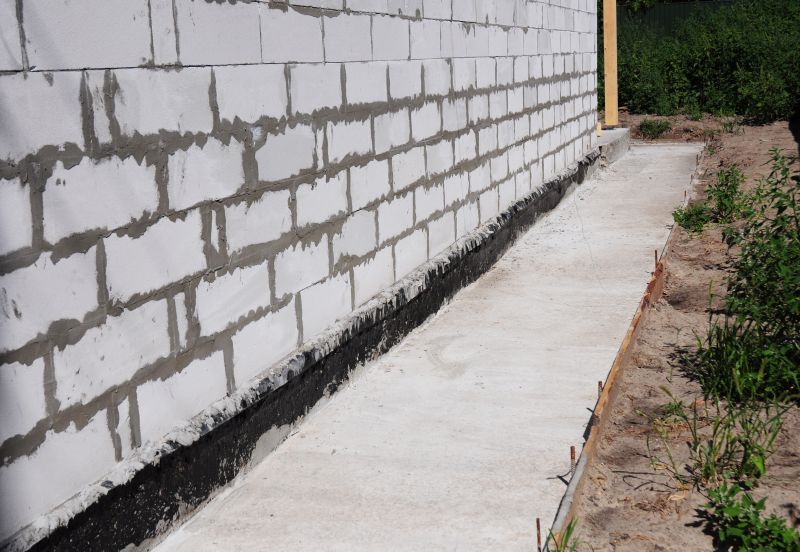

In many residential projects, property owners notice uneven floors, sticking doors, or cracks in walls that suggest foundation issues. When these signs are accompanied by significant settlement or shifting of the structure, foundation lifting may be a more effective solution than traditional repair methods. Local contractors experienced in foundation lifting can evaluate the severity of the situation and determine if this approach can restore stability without extensive rebuilding. For homeowners facing persistent foundation concerns, understanding when foundation lifting is appropriate can help avoid ongoing problems and potentially more costly repairs down the line.
Property owners often seek foundation lifting services when they want to address specific types of foundation movement that have caused visible damage or unevenness. If the foundation has settled unevenly or shifted significantly, lifting can realign the structure more precisely than patching or filling cracks alone. Local service providers skilled in foundation lifting can handle these situations, providing a targeted solution that restores the foundation’s original position. This approach is especially beneficial when the goal is to stabilize the structure and prevent future issues, making it a practical alternative to more invasive or less effective repair methods.
When is foundation lifting a better option than repair? Foundation lifting may be preferable when the foundation has settled unevenly, causing significant structural imbalance that repairs alone cannot fully correct.
How do I know if foundation lifting is suitable for my property? A professional assessment by local contractors can determine if foundation lifting is appropriate, especially if there are visible signs like large cracks or uneven floors.
What situations indicate that foundation repair might not be enough? Repair may fall short when foundation issues involve extensive shifting or deep-seated settlement, making lifting a more effective solution to restore stability.
Can foundation lifting address underlying foundation problems? Yes, when foundation lifting is performed by experienced service providers, it can effectively realign and stabilize the foundation, addressing the root causes of settlement.
Why choose foundation lifting over traditional repair methods? Foundation lifting can provide a more comprehensive correction for significant settlement issues, especially when multiple structural components are affected, making it a better choice in complex cases.
Assessing foundation movement - property owners can evaluate signs of uneven floors or cracks to determine if foundation lifting is a suitable solution instead of repair.
Choosing the right approach - understanding when foundation lifting can address underlying issues more effectively than patching or reinforcement helps guide project decisions.
Planning for long-term stability - considering foundation lifting when soil conditions or ongoing settlement are present ensures a more permanent fix with the help of local contractors.
Matching solutions to property needs - consulting with local service providers can clarify if foundation lifting is the best option for properties experiencing significant shifting or structural concerns.
If you are thinking about when foundation lifting is a better option than repair for a property, this guide is meant to help you understand this topic, the typical project types, and how different options might fit your plans.
When you are ready, you can use the quote form on this page to share a few details about your project. From there, local pros can review the basics and follow up with options that match what you have in mind.